Stepping into photography is exciting, but it can also feel overwhelming. Buttons everywhere, technical terms that sound intimidating, and endless gear recommendations can make anyone hesitate. Yet this is exactly why a DSLR still holds a special place for beginners. It offers a balance of control, reliability, and image quality that helps new photographers grow without feeling limited too soon.
Choosing the best beginner DSLR camera is not about chasing the most expensive model. It’s about finding a camera that feels intuitive in your hands, produces consistent results, and leaves room for learning. A good beginner DSLR should guide, not confuse—support creativity, not restrict it.
Why a DSLR Still Makes Sense for Beginners
Mirrorless cameras are popular, smartphones are powerful, but DSLRs remain relevant for a reason. They are designed with learning in mind. The optical viewfinder shows a real-time scene without lag, helping beginners understand framing and light more naturally. Battery life is typically excellent, and the grip and button layout feel reassuringly solid.
Another advantage is ecosystem maturity. DSLR systems have decades of compatible lenses, accessories, and learning resources. For someone starting out, this means flexibility without constantly upgrading bodies.
What Defines the Best Beginner DSLR Camera?
Not every DSLR is beginner-friendly. Some are clearly built for enthusiasts or professionals. A true beginner DSLR shares a few critical traits:
- Ease of use with clear menus and guided shooting modes
- Reliable autofocus for everyday subjects like people, pets, and travel scenes
- Good low-light performance to reduce frustration indoors
- Affordable lens options so growth doesn’t become expensive
- Comfortable ergonomics for longer shooting sessions
These factors matter more than extreme megapixel counts or advanced video specs when starting out.
Popular DSLR Choices That Beginners Trust
Canon EOS Rebel T7
This camera is often recommended because it keeps things simple. The controls are friendly, image quality is consistent, and Canon’s color science is pleasing straight out of the camera. For beginners who want dependable results without complexity, this model feels approachable and forgiving.
Nikon D3500
Lightweight yet capable, this DSLR is praised for its excellent battery life and sharp images. Nikon’s Guide Mode helps new users understand settings in real-world terms, making learning feel practical instead of technical.
Canon EOS Rebel SL3
Slightly more advanced but still beginner-friendly, this model stands out for its articulating touchscreen and strong video performance. It’s ideal for beginners who also want to explore vlogging or content creation alongside photography.
Each of these cameras proves that a beginner DSLR doesn’t need to feel “basic.” They are capable tools that grow with you.
DSLR vs Smartphone: A Beginner’s Perspective
Smartphones are convenient, but they automate decisions that beginners should learn to control. A DSLR teaches how aperture affects background blur, how shutter speed freezes motion, and how ISO changes mood and grain. This hands-on learning builds skills that last across any camera system.
Using a DSLR also changes how you approach photography. You slow down, compose more carefully, and become intentional. That mindset is often the difference between snapshots and photographs.
Lenses Matter More Than You Think
When searching for the best beginner DSLR camera, it’s easy to focus on the body alone. In reality, lenses shape your experience even more. Most beginner DSLRs come with a kit lens, which is perfectly fine to start. As confidence grows, adding a simple 50mm prime or a telephoto zoom can dramatically expand creative options.
The beauty of DSLR systems is that you don’t have to rush. You can learn one lens at a time without replacing your camera body.
Is a Beginner DSLR Still Worth It in 2026?
Absolutely—especially for learners. DSLRs offer unmatched value in the used and entry-level market. They are durable, supported by massive communities, and still deliver excellent image quality for web, social media, and even professional work.
For beginners who want to understand photography deeply rather than rely on automation, a DSLR remains a smart and rewarding choice.
Frequently Asked Questions
Is a DSLR too complicated for a complete beginner?
A DSLR may look complex at first, but modern beginner models are designed to ease users into photography. Most include automatic and guided modes that handle technical settings while explaining what the camera is doing. This allows beginners to start shooting immediately and gradually learn manual control. Instead of being overwhelmed, many users find that DSLRs actually make learning clearer because each setting has a visible impact on the final image.
How long can a beginner realistically use one DSLR camera?
A quality beginner DSLR can easily last several years. Many photographers continue using their first DSLR well into intermediate or even advanced stages by upgrading lenses instead of the camera body. Image quality improvements between generations are often incremental, so mastering composition, lighting, and editing usually has a bigger impact than replacing the camera itself.
Are beginner DSLRs good enough for professional-looking photos?
Yes, absolutely. Beginner DSLRs today use sensors capable of producing sharp, detailed images suitable for professional portfolios, blogs, and commercial use. What truly defines a professional-looking photo is lighting, composition, and timing—not the price of the camera. With practice and the right lens, a beginner DSLR can deliver results that are difficult to distinguish from higher-end models.
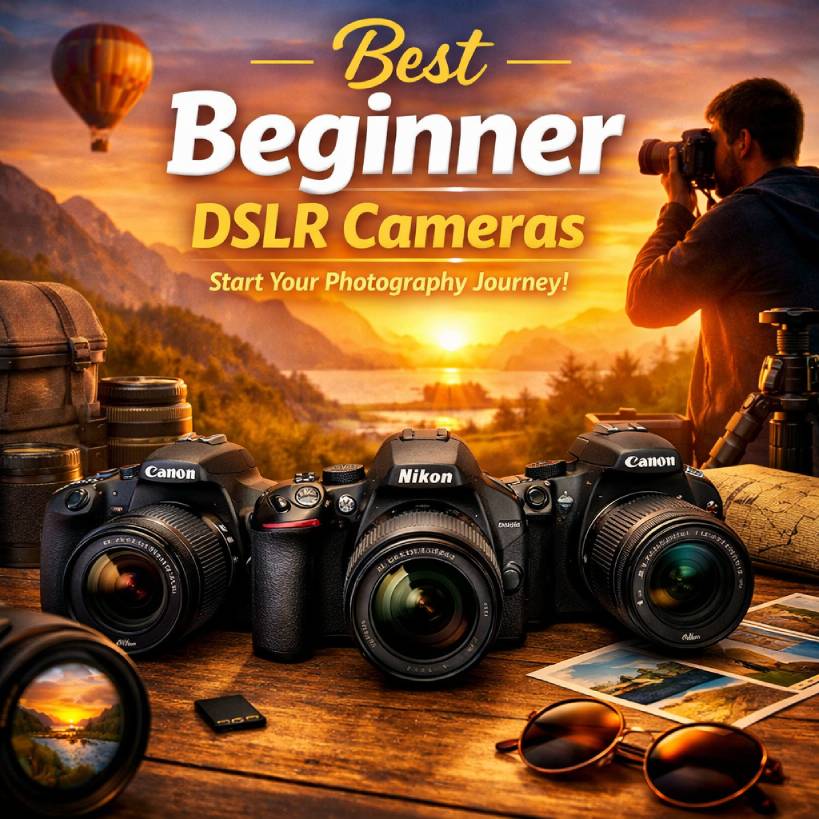
The best beginner DSLR camera is the one that encourages you to keep shooting. It should feel comfortable, intuitive, and capable of growing with your skills. DSLRs continue to offer a strong foundation for learning photography the right way—through understanding, not shortcuts.
For beginners who value long-term learning, creative control, and dependable performance, a DSLR is not an outdated choice. It’s a confident first step into a craft that rewards patience, curiosity, and practice.